
What is the strongest material for body armor?
Ceramic composites backed by advanced fibers define the highest protection available today. Kevlar and polyethylene dominate soft armor. Steel lags behind modern standards. Understanding materials helps buyers avoid false claims and choose effective protection. Strength must match purpose.
12/18/20255 min read
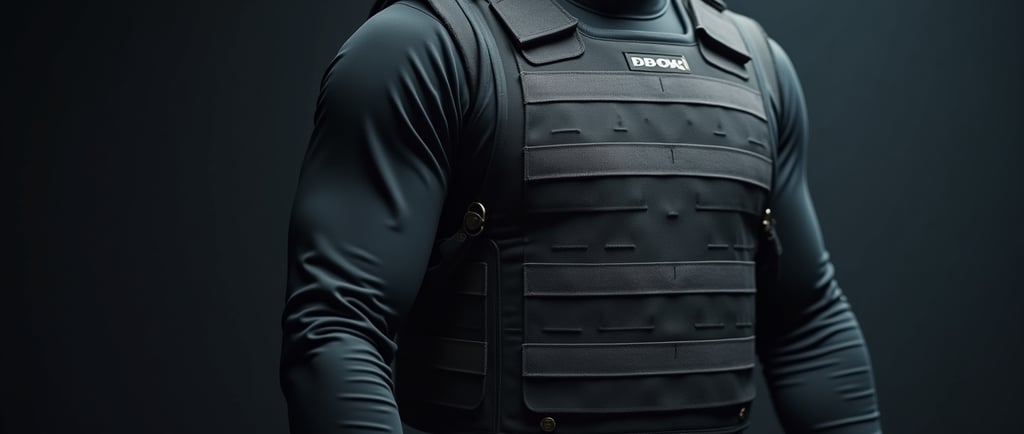
Body armor exists for one reason: stopping bullets and fragments before they reach the body. The level of protection depends almost entirely on the material used. When people ask what is the strongest material for body armor, they are really asking which materials stop the widest range of threats while keeping weight manageable.
Modern body armor is no longer just thick metal. Today’s armor combines fibers, ceramics, and advanced polymers. Each serves a specific role. Some materials absorb energy. Others shatter incoming rounds. Together, they form systems found in military body armour, law enforcement gear, and civilian body armor vests.
Understanding what body armor is made of helps buyers choose protection that fits their needs. A light body armor vest for daily wear uses different ballistic vest material than armor body plates meant for combat. Soft armor protects against handguns. Hard armor stops rifle rounds. The strongest bulletproof armor usually blends multiple materials rather than relying on one.
This guide breaks down body armor types, explains how materials are rated, and compares Kevlar, ceramic plates, steel, and polyethylene. You will learn what is the strongest material for armor today, where each option excels, and where it falls short.
If you want unbiased testing insights and gear breakdowns, resources like Gear Ops Review quietly evaluate top rated body armor without sales pressure, which helps buyers cut through marketing claims.
How Body Armor Materials Are Rated (NIJ Levels & Protection)
To understand what is the strongest material for body armor, you must understand how armor strength is measured. In the United States, protection levels follow standards set by the National Institute of Justice (NIJ).
NIJ ratings focus on threat resistance, not comfort or durability. A higher level means the armor stops faster and more powerful rounds.
Soft Armor Levels
Level IIA & II: Stops common handgun rounds. Used in light body armor vests.
Level IIIA: Stops high-velocity pistol rounds and some shotgun threats. Common in bulletproof body armor vests worn daily.
Soft armor relies on layered fibers. These layers spread impact energy rather than stopping bullets through hardness.
Hard Armor Levels
Level III: Stops rifle rounds like 7.62×51mm. Requires armor body plates.
Level IV: Stops armor-piercing rifle rounds. Used in modern military body armor.
Hard armor uses ceramic or metal strike faces backed by fiber layers. The ceramic breaks the bullet. The backing catches fragments.
Strength does not mean indestructible. Even the strongest bulletproof armor can fail after multiple hits in the same area. NIJ testing accounts for spacing between impacts.
When evaluating bullet resistant materials, rating matters more than marketing terms like “military grade.” Always verify certification when comparing premier body armor or bulletproof body armor for sale.
Soft Body Armor Materials
Soft armor dominates civilian and law enforcement use. It offers flexibility and concealment. While it cannot stop rifle rounds, it handles most handgun threats effectively.
Kevlar – Classic Aramid Fiber
Kevlar is the most recognized bullet proof vest material. Developed in the 1960s, it remains a foundation of soft body armor.
Kevlar works by absorbing kinetic energy. When a bullet strikes, fibers stretch and disperse force across a wide area. This slows the projectile until it stops.
Advantages of Kevlar include:
Proven performance
Heat resistance
Long service history in body armor vests
Limitations exist. Kevlar degrades under UV exposure and moisture. It also weighs more than newer materials at similar protection levels.
Kevlar alone does not answer what is the strongest material for body armor, but it remains reliable for handgun protection. Many ballistic vest material systems still include Kevlar layers combined with other fibers.
UHMWPE & Dyneema – Polyethylene Powerhouses
Ultra-high-molecular-weight polyethylene (UHMWPE) has reshaped modern armor. Brand names like Dyneema are common in top rated body armor.
UHMWPE fibers are lighter than Kevlar and float on water. They stop bullets by redirecting energy along extremely strong molecular chains.
Benefits include:
Reduced weight
High tensile strength
Resistance to moisture
UHMWPE often appears in light body armor and as backing layers behind ceramic plates. It also performs well in body armor full systems designed for mobility.
Heat sensitivity is the main drawback. High temperatures can reduce performance, making storage conditions important.
For soft armor, UHMWPE often surpasses Kevlar in weight-to-strength ratio. Still, neither stops rifle rounds alone.
Hard Body Armor Materials
Hard armor answers the rifle threat. This category defines most discussions around what is the strongest material for armor.
Ceramics: Boron Carbide, Silicon Carbide, Alumina
Ceramic armor is the backbone of military body armour. It defeats bullets through controlled fracture.
When a rifle round hits ceramic, the ceramic shatters the projectile. The backing layer absorbs debris and energy.
Boron Carbide
One of the hardest known armor materials
Lightweight
Used in modern military body armor
Silicon Carbide
Slightly heavier
More durable under repeated impacts
Alumina
Lowest cost
Heaviest option
Common in budget armor body plates
Ceramic plates are often paired with UHMWPE backing. This combination currently defines the strongest bulletproof armor in widespread use.
Ceramics are not flexible and can crack if dropped. Still, for stopping armor-piercing rounds, ceramic composites dominate.
Steel & Other Metals
Steel armor plates rely on hardness rather than energy absorption. They deform bullets on impact.
Advantages include:
High durability
Lower cost
Long lifespan
Downsides are significant:
Heavy weight
Bullet fragmentation risk
Reduced comfort
Steel rarely appears in modern military body armor. It is more common in civilian used armor markets and training setups.
Steel alone does not represent what is the strongest material for body armor by current standards.
Emerging Materials: Graphene & Advanced Fibers
Research labs continue exploring materials tougher than Kevlar. Graphene shows extreme strength at the molecular level. Carbon nanotubes and bio-engineered fibers are also under development.
These materials promise lighter and stronger armor. However, they are not yet widely available in bulletproof body armor for sale.
For now, ceramic-polyethylene composites remain unmatched in real-world deployment.
Which Armor Material Is Best for You?
The strongest armor depends on use, not theory.
Everyday wear: Soft armor with Kevlar or UHMWPE
Rifle protection: Ceramic plates with polyethylene backing
Extended operations: Lightweight ceramic composites
A body armor vest meant for concealment differs from a plate carrier designed for combat. Comfort, mobility, and threat level all matter.
Civilian buyers should focus on certified protection rather than maximum strength. Law enforcement needs balance. Military units prioritize rifle defeat.
Reliable evaluations matter. Independent platforms like Gear Ops Review analyze armor performance without manufacturer bias, helping users compare options realistically.
FAQs About Body Armor Materials
What is the strongest body armor made of?
The strongest body armor available today uses ceramic strike faces paired with UHMWPE backing. Boron carbide ceramic is the most advanced widely used option.
What material is 100% bulletproof?
No material is completely bulletproof. All armor has limits. Even the strongest bulletproof armor can fail after enough energy or repeated hits.
Is ceramic or Kevlar better?
They serve different roles. Kevlar excels in soft armor against handguns. Ceramic is necessary for rifle threats. Most modern systems use both.
What’s tougher than Kevlar?
UHMWPE fibers outperform Kevlar in strength-to-weight ratio. Ceramic materials like boron carbide are harder and defeat rifle rounds directly.
Conclusion
So, what is the strongest material for body armor? The answer is not a single substance. It is a system.
Ceramic composites backed by advanced fibers define the highest protection available today. Kevlar and polyethylene dominate soft armor. Steel lags behind modern standards.
Understanding materials helps buyers avoid false claims and choose effective protection. Strength must match purpose.
Body armor saves lives when chosen correctly. Materials matter more than labels.