
What is tactical gear used for?
Tactical defense USA brands often focus on durability and testing standards. Civilian brands focus more on comfort and weight.
12/22/20257 min read
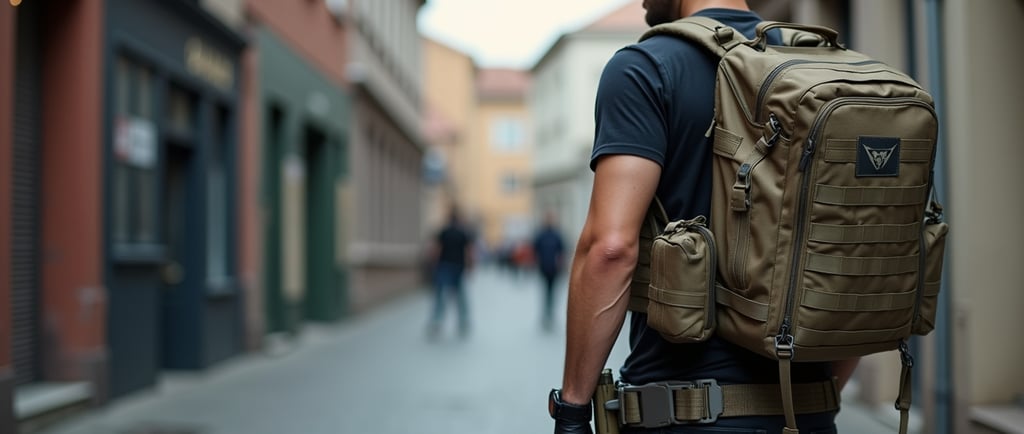
At its core, tactical gear supports action. It helps people carry tools, protect their body, and move efficiently in situations that require focus.
Military and law enforcement use tactical gear for duty tasks. That includes patrol, training, and field operations. The gear holds communication tools, medical supplies, and protective equipment in fixed positions.
Civilians use tactical gear differently. The purpose shifts, but the function stays the same.
Many people rely on tactical civilian gear for outdoor activity. Hiking. Camping. Long-distance travel. Tactical packs distribute weight better. Clothing resists tearing and wear.
Fitness is another common use. Tactical running vests are popular for endurance training. They allow hands-free hydration and balanced storage. The vest stays secure while moving.
Preparedness also plays a role. Some people keep tactical gear equipment for emergency readiness. Power outages. Natural disasters. Vehicle breakdowns. Tactical items make it easier to organize supplies and move quickly.
Work environments benefit as well. Contractors, photographers, and technicians use tactical attire for tool access and durability. Pocket placement saves time. Reinforced fabric lasts longer.
Style has entered the picture, too. Tactical vest streetwear blends function with modern looks. The vest still carries weight well. It just fits into everyday clothing better.
So what is tactical gear used for today?
It’s used for control.
It’s used for efficiency.
It’s used to reduce strain during activity.
This explains the broad demand for tactical products. The gear adapts to the user, not the other way around.
Understanding this use helps buyers avoid overbuying. You don’t need military-grade equipment for daily tasks. You need gear that matches your routine.
The right tactical gear supports movement without distraction. That’s the real value.
Before asking what is tactical gear used for, it helps to understand the word “tactical.”
Tactical means purpose-driven.
It refers to tools, clothing, or equipment built for specific tasks. These tasks usually involve preparation, efficiency, and control in real situations.
Tactical does not automatically mean military.
It means practical use under pressure.
In simple terms, tactical items are built to work when conditions are not ideal. Low light. High movement. Heavy loads. Repeated use.
This is why people often confuse tactical with aggressive or extreme. That idea misses the point. Tactical design focuses on function first. Comfort, access, and reliability matter more than looks.
When people ask what does tactical mean, they are often noticing features like reinforced stitching, modular layouts, or quick-access storage. These features exist to save time and reduce effort.
Tactical style came later.
Originally, tactical gear was developed for soldiers and law enforcement. Over time, hikers, runners, tradespeople, and commuters adopted the same gear. It solved everyday problems.
That shift led to tactical attire becoming more common. Pants with stronger seams. Jackets with smart pocket placement. Bags that distribute weight better.
Tactical does not mean complicated.
It means intentional.
Understanding this definition helps clarify what is tactical gear used for across different lifestyles. The same vest might support duty use, fitness training, or daily carry depending on how it’s worn.
The purpose stays the same.
Support the task. Reduce friction. Hold up under use.
What Is Tactical Gear?
Tactical gear refers to clothing and equipment made to support physical tasks, protection, and organization in demanding conditions. It includes wearable items and carried tools.
This gear was first created for military operations. Later, law enforcement adopted it. Today, civilians use it as well.
So when people ask what is tactical gear used for, the answer depends on the user. The design stays consistent. The application changes.
Tactical gear equipment often includes vests, packs, belts, gloves, and footwear. Tactical items focus on access, balance, and durability. Pockets are placed with intention. Materials resist wear.
Unlike standard clothing, tactical products are tested through movement. Running. Lifting. Crawling. Long wear periods.
That difference matters.
A list of tactical gear usually includes load-bearing equipment, protective layers, and modular accessories. These components work together. They are not random add-ons.
Tactical gear is not costume wear.
It serves a function.
Civilians use tactical civilian gear for hiking, range training, work, and emergency readiness. Runners use tactical running vests for hydration and storage. Streetwear fans wear tactical vest streetwear for utility and structure.
This flexibility explains why interest keeps growing.
Quality varies.
High quality tactical gear focuses on stitching, fabric weight, and fit. Cheap gear fails early. Trusted tactical gear suppliers invest in materials that last.
Brands rooted in real-world use often explain their mission clearly. You can usually find that background on an about page. Experience shows in the details.
At its core, tactical gear supports action.
It keeps tools close.
It reduces distraction.
It holds up under stress.
That is why people continue asking what is tactical gear used for. It solves real problems without excess.
Common Types of Tactical Gear Equipment
Tactical gear equipment covers several categories. Each serves a specific role.
Vests
Tactical vests manage load placement. Some support plates. Others focus on storage. Civilian versions are lighter and simpler.
Backpacks and Packs
These packs handle weight distribution better than standard bags. They include reinforced straps, multiple compartments, and attachment points.
Belts and Rigs
Belts hold tools, pouches, or medical gear. They keep essential items within reach.
Apparel
Tactical attire includes pants, shirts, and jackets. These garments use stronger fabric and practical pocket layouts. They allow movement without restriction.
Footwear
Tactical boots focus on grip and ankle support. Lighter shoes exist for everyday use.
Accessories
Gloves, eyewear, and pouches fall into this group. These tactical items support protection and organization.
A typical list of tactical gear combines several of these elements. Not all users need everything.
Civilians often choose lighter versions. Tactical civilian gear avoids excess bulk. It keeps function without added weight.
Women-specific options matter as well. Womens tactical gear focuses on fit and comfort while keeping the same function.
Quality matters more than quantity.
High quality tactical gear uses stronger stitching and reliable materials. This affects comfort and lifespan.
Buyers should also look at trusted tactical gear suppliers. Reliable suppliers test products through real use.
Each category exists for a reason. Knowing what you need helps you choose the right combination.
Tactical Gear for Civilians and Everyday Use
Tactical gear is no longer limited to uniformed roles.
Civilians use tactical civilian gear for daily tasks, fitness, travel, and work. The appeal comes from function.
Everyday carry is a common reason. Tactical packs and clothing help organize personal items. Keys, tools, and electronics stay accessible.
Outdoor use is another factor. Tactical gear handles rough terrain better. Weather resistance and fabric strength matter outside.
Fitness users rely on tactical running vests for long sessions. These vests hold water and essentials without bouncing. Movement stays natural.
Commuters benefit as well. Tactical backpacks protect gear during travel. Padded compartments reduce damage.
Work environments also drive demand. Tradespeople use tactical attire to carry tools. The layout saves time during repetitive tasks.
This shift explains why tactical products appear in normal settings. The gear blends in more than it used to.
Designs are cleaner. Colors are neutral. Tactical style feels practical, not extreme.
Many brands now focus on civilian needs. Their about pages often highlight usability, comfort, and real-world feedback rather than combat language.
Tactical gear for civilians is about support, not appearance. The gear works in the background. That’s why people keep using it.
Tactical Attire and Tactical Style Trends
Tactical attire has changed over time.
Early designs focused only on duty use. Today, tactical style fits everyday wear.
Pants with stretch panels. Jackets with smart pocket placement. Vests designed to layer over casual clothing. These changes made tactical gear more accessible.
Tactical vest streetwear is a clear example. The vest keeps its structure and storage. The look feels modern.
This trend doesn’t remove function. It adapts it.
People want clothing that works in multiple settings. Tactical attire supports movement and daily tasks without standing out.
Neutral colors help. Slimmer cuts help. Reduced bulk helps.
Tactical style works because it’s practical. It avoids decoration. Every feature serves a reason.
This balance explains why tactical products appear in gyms, city streets, and travel settings. The gear fits into real life.
Tactical Gear for Men and Women
Fit matters in tactical gear.
Mens and womens tactical gear differ mainly in cut and sizing. Function stays the same.
Womens tactical gear focuses on comfort and range of motion. Waist placement, shoulder width, and weight distribution are adjusted.
This improves wear time. It also reduces strain.
More suppliers now offer women-specific options. That makes tactical gear more usable across different body types.
Everyone benefits when gear fits correctly. Movement improves. Fatigue drops.
That applies across all tactical gear equipment.
How to Choose High Quality Tactical Gear
Choosing tactical gear starts with purpose.
Ask what you will use it for. Daily carry. Fitness. Outdoor work.
High quality tactical gear uses durable fabric. Stitching is reinforced. Zippers move smoothly.
Avoid excess features. More straps don’t mean better performance.
Check weight. Heavier gear tires you out faster.
Look at trusted tactical gear suppliers. Reputable suppliers explain materials and testing clearly.
Some brands highlight their background and values on their about page. That context helps buyers understand design choices.
Fit matters. Poor fit reduces function.
Quality gear lasts longer and performs better. That saves money over time.
Where Tactical Gear Comes From
Tactical gear comes from many sources.
Some brands manufacture domestically. Others produce overseas.
Tactical defense USA brands often focus on durability and testing standards. Civilian brands focus more on comfort and weight.
Suppliers matter as much as products. Reliable tactical gear suppliers maintain consistency across batches.
Knowing the source helps buyers make informed decisions.
FAQ – Tactical Gear Questions Answered
What is the point of tactical gear?
The point is function. Tactical gear supports movement, organization, and protection during activity.
Who wears tactical gear?
Military, law enforcement, fitness users, outdoor enthusiasts, workers, and everyday civilians.
Is it illegal to own tactical gear?
In most areas, owning tactical gear is legal. Restrictions usually apply only to specific protective items.
What are tactical gears?
Tactical gears include vests, packs, apparel, belts, and accessories designed for practical use.
Is tactical gear legit?
Yes. Tactical gear is widely used across professional and civilian settings.
Can you wear tactical gear in public?
Yes. Tactical attire and gear are commonly worn in public without issue.
Does tactical gear offer military discount?
Many suppliers offer military or first responder discounts. Policies vary by seller.
How long does tactical gear take to ship?
Shipping times depend on the supplier and location. Most ship within standard ecommerce timeframes.