
How Much Do Plate Carriers Weigh? (Ultimate Weight Guide for Tactical Gear in 2026)
Understanding plate carrier weight helps you move better, last longer, and train smarter. Weight is not just a number. It affects every step you take.
12/18/20255 min read
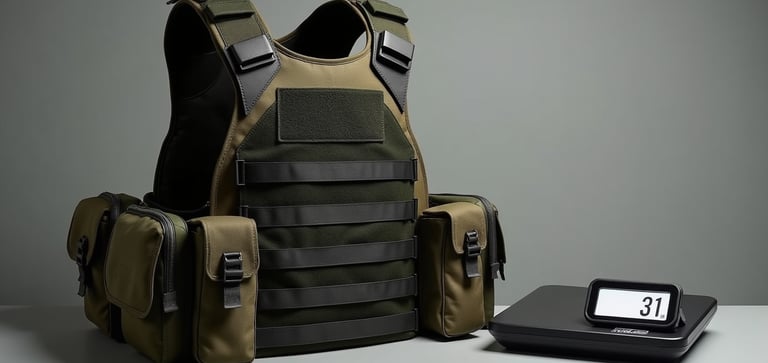
Understanding plate carrier weight helps buyers choose smarter. It also helps prevent overloading. Many people focus on protection and price but overlook weight until it becomes a problem.
If you plan to wear a carrier for training, duty use, or emergency readiness, weight matters as much as fit. That is why experienced users compare plate carrier vest weight before buying.
At GearOps Review, our testing process looks at real-world use. Weight, balance, and wear time are always part of the evaluation. The goal is simple. Help users pick plate carriers that perform without unnecessary strain.
What Is a Plate Carrier & Why Weight Matters
A plate carrier is a load-bearing vest built to hold ballistic plates. It protects vital organs while allowing the user to move, work, and react. For military personnel, law enforcement, and civilians alike, weight plays a major role in comfort and performance.
So, how much do plate carriers weigh? The answer depends on several variables. The carrier itself, the type of plates, and the added gear all affect total load. Even small differences in weight can change endurance, posture, and fatigue over long periods.
An unloaded plate carrier is usually lightweight. Once plates and accessories are added, the weight increases fast. That extra load places stress on the shoulders, back, and hips. Over time, this can limit speed and reduce efficiency.
Typical Plate Carrier Weight: Unloaded vs Loaded
To understand how much does a plate carrier weigh, it helps to separate unloaded and loaded setups.
Unloaded Plate Carrier Weight
An unloaded plate carrier usually weighs between 1.5 and 3.5 pounds. Minimalist designs fall on the lower end. Military plate carriers and heavy-duty models weigh more due to thicker materials and reinforced stitching.
Low visibility plate carriers are often lighter. They are built for concealment and short wear times. Tactical plate carriers with MOLLE systems weigh more because of added fabric and attachment points.
Loaded Plate Carrier Weight
Once plates are added, the numbers change quickly.
A standard loaded plate carrier weighs 15 to 30 pounds on average. This includes:
Front and back plates
The carrier itself
Basic accessories like magazine pouches
Steel plates add the most weight. Ceramic and polyethylene plates reduce load but cost more.
A common question is how much do plate carriers weigh with steel plates. With two Level III steel plates, total weight often reaches 20 to 25 pounds before adding gear.
Side plates, radios, hydration systems, and medical kits push the weight higher. Some military setups exceed 35 pounds.
Why These Numbers Matter ?
Weight affects stamina. Heavier setups slow movement and increase fatigue. That matters during long training days or extended operations.
Choosing the right balance between protection and weight is key. This applies whether you are buying best budget plate carriers or top rated plate carriers.
Understanding average plate carrier weight helps narrow down options before you shop
How Different Materials Affect Plate Carrier Weight?
The materials used in plate carriers directly impact overall weight.
Carrier Fabric
Most carriers use nylon. Thicker nylon increases durability but adds weight. Lightweight carriers use thinner fabric and fewer layers. Military plate carriers often prioritize strength over weight.
Padding also adds ounces. Shoulder pads and mesh liners improve comfort but increase plate carrier vest weight.
Plate Materials
Plates contribute the largest portion of total weight.
Steel plates are the heaviest option. They are durable and affordable. They also add significant load.
Ceramic plates weigh less than steel. They offer strong protection but can crack if mishandled.
Polyethylene plates are the lightest. They reduce fatigue but come at a higher price.
Hardware and Attachments
Buckles, cummerbunds, and quick-release systems add small amounts individually. Together, they make a difference.
MOLLE webbing allows customization but adds material weight. Minimalist carriers reduce this by limiting attachment points.
Why Material Choice Matters
Material selection shapes how the carrier feels during movement. A lighter setup improves agility. A heavier setup may offer cost savings or durability.
When comparing types of plate carriers, weight differences often come down to materials rather than design alone.
This is why reviews that measure real plate carrier weight matter. Paper specs do not always reflect real use.
Plate Types & Their Weights (Steel, Ceramic, Polyethylene)
Plates define how much a plate carrier weighs more than any other component.
Steel Plates
Steel plates are common in budget setups. A single 10x12 steel plate usually weighs 7 to 9 pounds.
The weight of 3/16 steel plate is a frequent concern. At this thickness, steel plate weight per square foot averages 7.65 pounds. A full carrier with front and back steel plates adds roughly 15 to 18 pounds.
A 4x8 1/8 steel plate weight is far higher, often exceeding 160 pounds, though this is used for reference rather than body armor.
Steel plates are durable. They are also heavy.
Ceramic Plates
Ceramic plates weigh less. A Level III ceramic plate usually weighs 4.5 to 6 pounds.
Two ceramic plates reduce total load by several pounds compared to steel. That difference is noticeable during extended wear.
Ceramic plates cost more and require careful handling.
Polyethylene Plates
Polyethylene plates are the lightest option. Some Level III plates weigh 3 to 4 pounds each.
These plates reduce plate carrier weight significantly. They are common in best plate carriers 2025 lists due to comfort and mobility benefits.
The tradeoff is price.
Choosing the Right Plate
Plates for plate carriers should match the intended use. Training, patrol, or emergency readiness all demand different balances.
Weight matters as much as rating.
Examples of Plate Carrier Weight Setups
Looking at real setups makes weight easier to understand.
Budget Steel Setup
Carrier: 3 lbs
Two steel plates: 16 lbs
Basic pouches: 3 lbs
Total: ~22 lbs
This setup is common with best budget plate carriers and tactical plate carriers between $100 and $200.
Mid-Range Ceramic Setup
Carrier: 2.5 lbs
Two ceramic plates: 10 lbs
Accessories: 4 lbs
Total: ~16.5 lbs
This balance works well for popular plate carriers used in training.
Lightweight Polyethylene Setup
Carrier: 2 lbs
Two poly plates: 7 lbs
Minimal gear: 2 lbs
Total: ~11 lbs
This setup is common with low visibility plate carriers.
Military Loadout Example
Carrier: 4 lbs
Plates (front, back, sides): 22 lbs
Gear and hydration: 10+ lbs
Total: 35+ lbs
This reflects us army plate carrier configurations.
Each setup answers the question how much do plate carriers weigh differently. Context always matters.
Tips for Choosing Plate Carriers Based on Weight
Weight should guide your buying decision.
Define Your Use
Short wear times allow heavier setups. Long wear times demand lighter gear.
Training carriers can weigh more. Duty or emergency carriers benefit from weight savings.
Balance Cost and Comfort
Steel saves money. Polyethylene saves energy. Decide what matters more.
Many plate carriers for sale look similar. Weight separates good choices from poor ones.
Avoid Overloading
Extra gear adds weight fast. Only carry what you need.
Plate carrier weight increases with every pouch. Be selective.
Fit Matters
A well-fitted carrier distributes weight better. Poor fit makes even light setups uncomfortable.
Use Trusted Reviews
Reviews that measure real weight help avoid surprises. At GearOps Review, weight testing is part of every evaluation.
Whether shopping for top plate carriers or searching plate carriers near me, weight should never be an afterthought.
FAQs About Plate Carrier Weight
How much does a plate carrier weigh without plates?
Most unloaded plate carriers weigh between 1.5 and 3.5 pounds. Minimalist and low visibility plate carriers are lighter. Military plate carriers weigh more due to heavier construction.
How much does a plate carrier weigh with plates?
A loaded plate carrier usually weighs 15 to 30 pounds. The final number depends on plate material and added gear.
What is the average plate carrier vest weight with steel plates?
With two steel plates, expect 20 to 25 pounds total. This includes the carrier and basic pouches.
How heavy are ceramic plates compared to steel?
Ceramic plates are lighter. They reduce total plate carrier weight by 6 to 8 pounds compared to steel.
Do side plates make a big difference?
Yes. Side plates add 4 to 8 pounds, depending on material. They increase protection but reduce mobility.
Are lightweight plate carriers worth it?
For long wear times, yes. Lightweight carriers improve endurance and reduce fatigue. They are common in best plate carriers 2025 rankings.
What is the lightest plate carrier setup possible?
With a minimalist carrier and polyethylene plates, total weight can be as low as 10 to 12 pounds.
Does the US Army plate carrier weigh more than civilian models?
Yes. Plate carriers army issue models are built for durability and load-bearing. They weigh more than most civilian carriers.
Final Thoughts
So, how much do plate carriers weigh? The answer depends on choices. Carrier design. Plate material. Gear load.
Understanding plate carrier weight helps you move better, last longer, and train smarter. Weight is not just a number. It affects every step you take.
Choose wisely.